Common LED Lighting Mistakes Homeowners Make (And How to Avoid Them)
Updated: May 2
Lighting is one of the most overlooked elements in a home, yet it has one of the biggest impacts on how a space looks and feels. Many homeowners focus heavily on furniture, colours, and layout—but neglect proper lighting planning until the very last minute.
That’s when mistakes happen.
With modern LED technology becoming the standard, choosing the right setup is no longer just about picking a bulb. From your main ceiling light to supporting fixtures like a wall light or a simple table lamp, every decision affects comfort, functionality, and overall design.
In this guide, we’ll walk through the most common LED lighting mistakes homeowners make—and more importantly, how to avoid them.
❌ 1. Choosing the Wrong Colour Temperature

One of the most frequent mistakes is selecting the wrong colour temperature. At first glance, all LED lights may look similar—but once installed, the difference becomes obvious.
Cool white or daylight tones can feel overly harsh in spaces meant for relaxation, such as bedrooms or living rooms. On the other hand, warm tones may not provide enough clarity for areas where visibility matters, like kitchens or study rooms.
The issue isn’t that one type is “better” than the other—it’s about using the right tone for the right purpose.
How to get it right:
Living room & bedroom → Warm white (around 3000K)
Kitchen, bathroom & study → Neutral to cool white (4000K–5000K)
When your lighting tone aligns with how you use the space, everything instantly feels more natural and comfortable.
❌ 2. Focusing on Watts Instead of Lumens
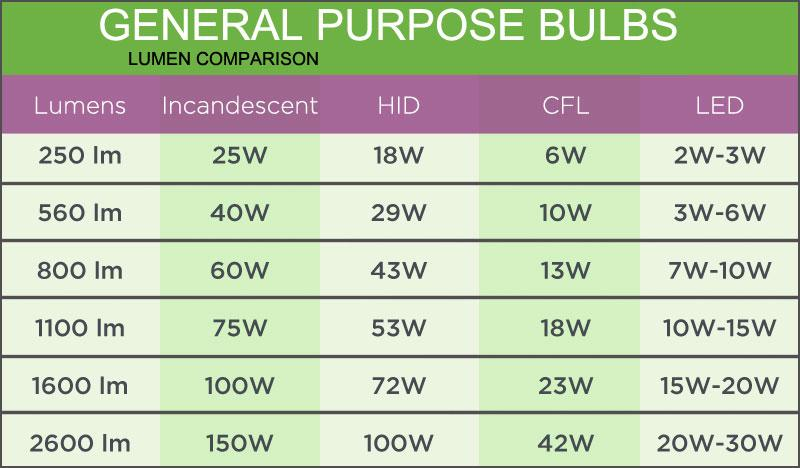
Sources: superlightleds
Many homeowners still rely on wattage as a measure of brightness. This habit comes from older lighting technologies, where higher wattage usually meant brighter light.
With LED lights, that’s no longer true.
Wattage now mainly reflects energy consumption, not brightness. The real measurement you should be looking at is lumens, which tells you how much light is actually emitted.
Choosing based on wattage alone often leads to rooms that feel either too dim or uncomfortably bright.
How to get it right:
Small rooms → around 2000–3000 lumens
Medium spaces (bedroom/living room) → 3000–5000 lumens
Larger areas → adjust accordingly or layer multiple light sources
A well-selected led lamp ceiling setup should provide sufficient brightness without overwhelming the space.
❌ 3. Relying Only on Ceiling Lights
A single overhead fixture might seem enough—but in reality, it rarely delivers balanced lighting.
Relying on just one central source often results in:
Uneven brightness
Dark corners
A flat and uninviting atmosphere
This is especially common in HDB flats where homeowners install one central unit and assume it will cover the entire space.
How to get it right:Adopt a layered lighting approach:
Ambient lighting (main source, such as lights ceiling led)
Accent lighting (adds depth and focus)
Task lighting (functional, such as reading lamps)
Adding a wall light or a table lamp helps soften the environment and creates a more welcoming, well-balanced space.
❌ 4. Ignoring Wall Lighting Opportunities

Many homeowners focus entirely on ceiling fixtures and overlook the role of wall lighting. This is a missed opportunity.
Lighting that comes directly from above can sometimes feel too harsh or clinical. Without secondary sources, the room lacks depth and visual interest.
Incorporating light from wall elements introduces a softer, more indirect glow that enhances comfort and ambience.
How to get it right:
Use a wall light in living rooms, bedrooms, or corridors
Position fixtures to create gentle, indirect illumination
Combine overhead lighting with light in wall features for balance
This approach transforms a basic setup into something that feels intentional and professionally designed.
❌ 5. Mixing Too Many Light Sources Without Planning

It’s easy to get carried away when choosing lights—especially with so many modern designs available. However, combining too many different styles without a clear plan can make your home feel cluttered and inconsistent.
For example:
Mixing warm and cool tones in the same room
Using overly decorative fixtures alongside minimalist ones
Combining too many focal points
How to get it right:
Stick to a consistent theme or style
Maintain the same colour temperature within each space
Ensure all fixtures—from overhead to wall-mounted—complement each other
Good lighting should feel cohesive, not chaotic.
❌ 6. Ignoring Functional Lighting Needs

Different activities require different types of lighting. A single general light source rarely meets all needs.
For example:
Reading requires focused, softer lighting
Cooking needs bright, clear illumination
Relaxing benefits from warm, ambient light
How to get it right:
Add a table lamp for reading or bedside use
Use brighter task lighting in kitchens or work areas
Combine functional and ambient lighting for versatility
This ensures your home is both practical and comfortable.
Good lighting is not just about visibility—it shapes how your home feels every day.
By avoiding these common mistakes and planning your lighting carefully, you can create a space that is:
Comfortable and easy on the eyes
Visually balanced and well-designed
Suitable for both function and relaxation
A thoughtful combination of a well-chosen ceiling light, complementary wall fixtures, and supporting elements like a table lamp can elevate your home instantly.
Whether you’re renovating or simply upgrading, investing in the right LED lighting setup is one of the most effective ways to transform your space.
Shop Now and transform your space with the perfect lighting.


Comments